Sprinkler heads & nozzles
Broken heads, clogged nozzles, wrong arcs, sunken cans, weak throw.
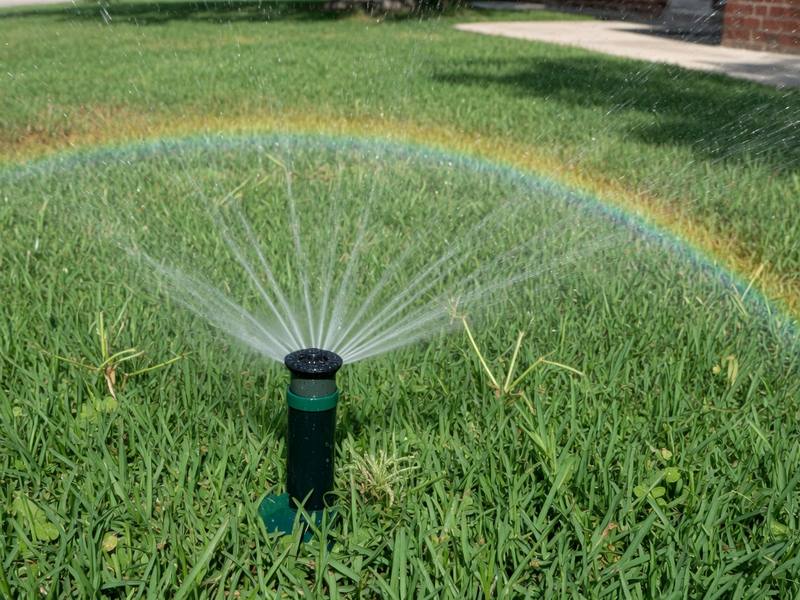
Sprinkler heads take more abuse than any other part of a residential system in The Heights Houston Texas. Mowers clip risers, soil builds up until cans sit below grade, kids and dogs kick plastic, freeze nights crack fittings, and partial remodels leave mismatched nozzles that never quite match pressure or arc. When a lawn looks striped, dry in corners, or permanently wet at the sidewalk, the first place we look is the spray and rotor hardware — then we decide whether the problem is really a head or something upstream.
What “head repair” actually covers
A good head visit is more than swapping a broken can. We run every zone with water on, walk the pattern, and mark what failed. Common fixes in The Heights Houston Texas yards:
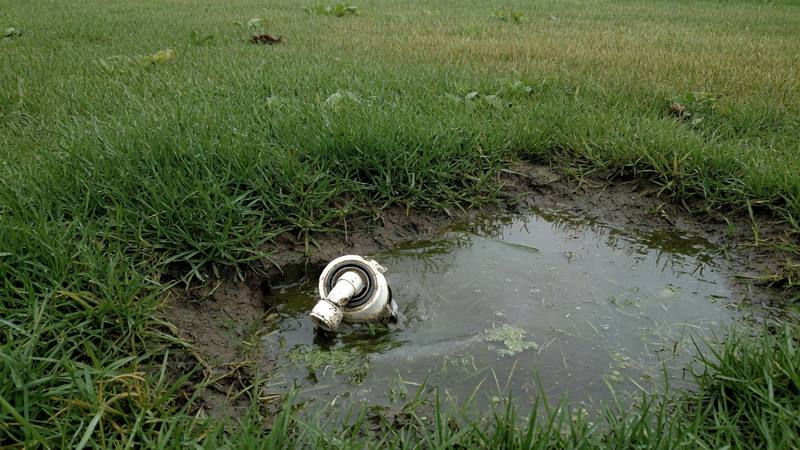
- Broken or missing spray and rotor heads (including pop-up risers snapped at the threads)
- Clogged nozzle screens after a line break or dirty main flush
- Wrong arcs watering sidewalks, driveways, fences, and tree trunks
- Low throw from mismatched nozzles, weak pressure, or half-buried cans
- Swing joints that snapped, pulled out of grade, or were never installed (hard pipe to head)
- Rotor stalls, stripped gears, and spray nozzles that mist instead of sheet water
- Sunken heads under thick St. Augustine or Bermuda that never clear the canopy
How a typical head visit goes
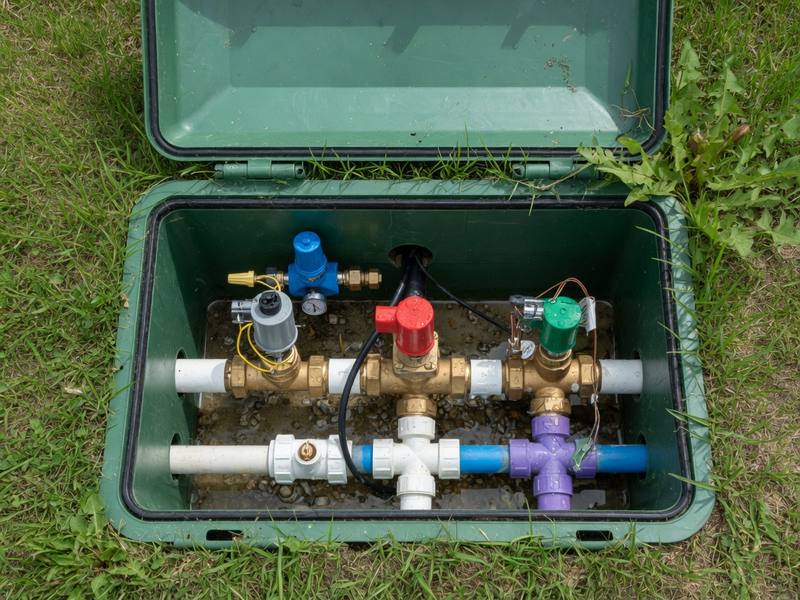
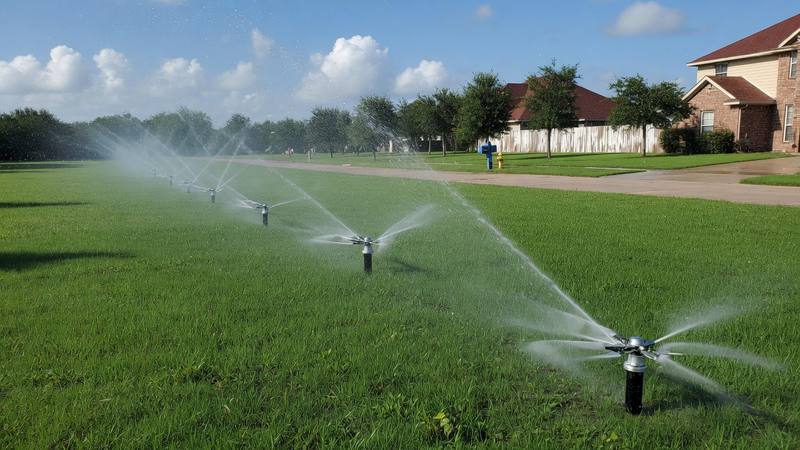
We start at the controller only long enough to confirm stations fire. Then we open valve boxes if a zone is dead entirely — no point swapping nozzles on a zone that never pressurizes. With water on, we watch throw distance, height above the grass line, and whether adjacent heads overlap the way the layout intended. Sunken cans get raised or replaced with the correct body height. Misaligned arcs get set so sidewalks stop growing algae and trunks stop rotting from constant spray.
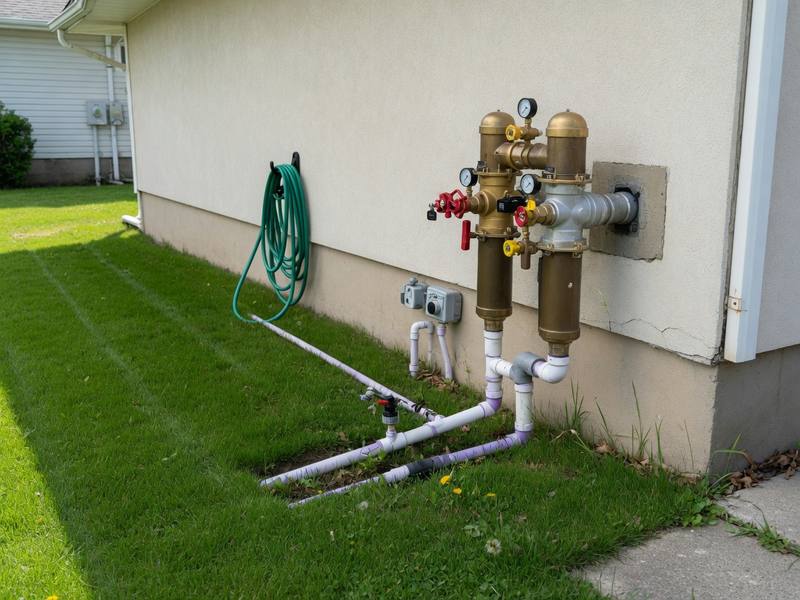
If pressure is soft across a whole zone, we do not keep catalog-swapping nozzles. Soft pressure is a valve, main, or lateral story more often than a “buy a better nozzle” story. See valve repair and leak detection when the symptom is bigger than one head.
When it is more than a head
A dry strip under mature trees often means a crushed lateral, not a cheap nozzle. Far heads starve while near heads look fine. People lengthen runtimes and still get a brown band. We isolate first: shut other zones, watch the weak line, and pressure-test before we trench. Partial crushes are sneakier than full breaks — the yard still “waters,” just not where you need it.
Hardscape edges, brick borders, and new beds also hide geometry problems. A head that used to clear open lawn now sprays into a hedge. That is not always a new part — sometimes it is a trim, a riser extension, or a different nozzle family. We explain the options before we invent scope.
Coverage geometry on Texas clay
Clay common around The Heights Houston Texas does not forgive misting. Fine spray that looks pretty evaporates or runs off. Correct head height, matched precipitation rates, and cycle-and-soak scheduling matter more here than in sandy soil. After mechanical work we will often leave a starting schedule so you are not guessing minutes — you still own rain delays and common sense. Deeper schedule notes live on the blog and the short answers are in the FAQ.
What we need from you
Which zones look wrong, whether the problem is new or slow, and whether anyone dug recently (fence posts, tree work, French drains). Photos of dry strips help. Gate open and controller accessible speeds the visit. Book through schedule or call 346-398-6777.
Head and nozzle repair is the most common ticket we run in The Heights Houston Texas. Catching sunken cans and blocked arcs before peak heat is how you keep the lawn from writing off a whole season. Call 346-398-6777 when the pattern is wrong, not just when a head is lying on the sidewalk.